A Homeowner’s Guide to Maintaining Residential Backwater Valves
When heavy seasonal rains hit the GTA or rapid spring thaws occur, municipal sewer systems can quickly become overwhelmed. For homeowners, this extreme weather brings the sudden, stressful risk of basement flooding. If you have recently upgraded your plumbing or purchased a property that already has a backwater valve installed, you have a vital line of defense against city sewer backups.
However, simply having the device installed isn't enough. Like any mechanical component in your home, it requires regular care to function correctly. Without proper maintenance, you might face the exact disaster the device was meant to prevent. In this guide, our team at Toronto Drains & Waterproofing will walk you through everything you need to know about keeping your backwater valve in perfect working condition, ensuring your home stays dry year-round.
How Backwater Valves Protect Your Home
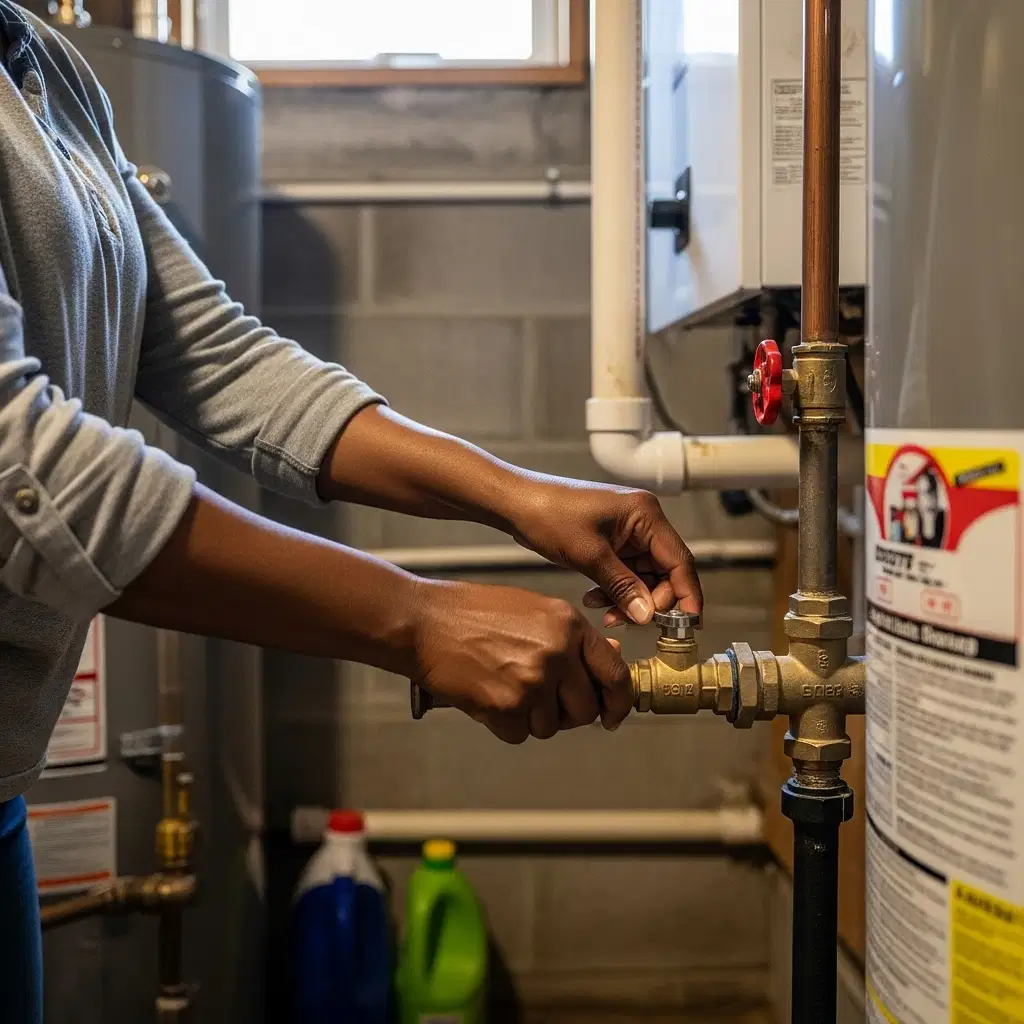
Many customers ask us about the true benefits of installing a backwater valve and sump pump. The concept is straightforward: a backwater valve is a one-way flap (or flapper) installed into your main sewer line. Under normal conditions, water from your washroom, kitchen, and laundry flows smoothly out to the municipal sewer. But if the city system overloads and water begins flowing backward toward your home, the flapper automatically lifts and seals the pipe, stopping sewage in its tracks.
This level of protection is incredibly important, especially if you live in an older neighborhood or a beautifully restored century home where the underground infrastructure might be aging. Recognizing the value of this protection, the municipality even offers financial assistance through the Basement Flooding Protection Program. If you are curious about how to apply for this subsidy, our team is always happy to guide you through the process when you book a backwater valve installation with us.
When and How to Inspect Your Valve
One of the most frequent questions we receive is: how often should backwater valves be inspected? As a general rule of thumb, you should check your valve at least twice a year. We highly recommend doing this in early spring before the heavy rains begin, and again in late autumn before the winter freeze sets in.
How to Clean a Backwater Valve
Routine cleaning is a straightforward process for most homeowners. Always start by putting on protective rubber gloves and safety glasses. Locate the access panel in your basement floor and remove the valve's cleanout cover. Using a flashlight, inspect the inside of the valve chamber.
You will want to remove any accumulated debris, grease, or grime using a small long-handled brush and warm, soapy water. Flush the area with a bucket of clean water to ensure everything flows smoothly. Be sure to check the O-ring around the lid as well; if it looks cracked or worn, it should be replaced to maintain a proper seal.
Recognizing Trouble: Signs of a Stuck Flapper
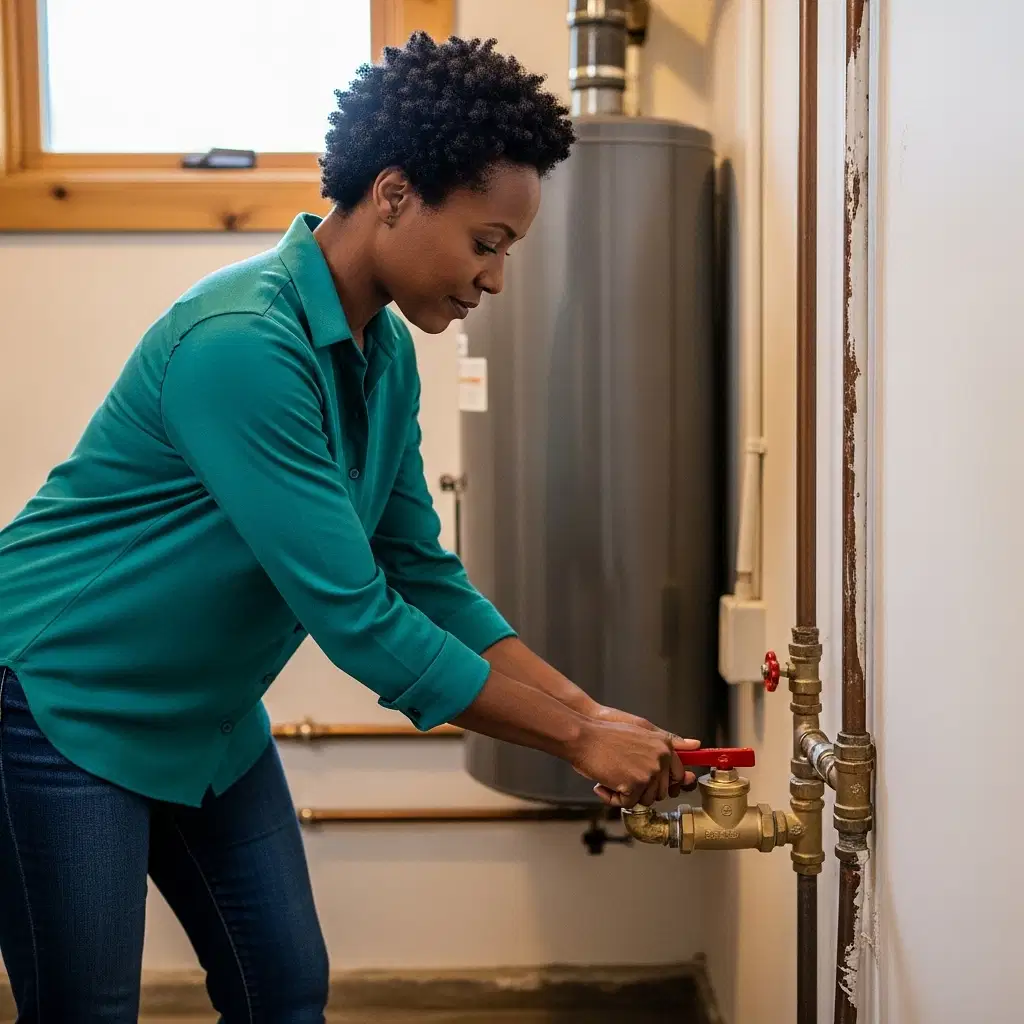
Even with regular cleaning, things can occasionally go wrong. The most common issue is a stuck backwater valve flapper. Debris like flushed wipes or thick grease can wedge the flap open, rendering it useless during a flood. Alternatively, it can get stuck in the closed position.
If the flapper is stuck closed, you will likely notice water draining very slowly throughout your home, or you might hear gurgling noises coming from your drains. If you are experiencing these symptoms and suspect the valve is jammed, it might be time to look into our services for backed up and clogged drains to prevent internal flooding.
Troubleshooting Sewer Smells from the Backwater Valve
If you start noticing unpleasant odors lingering in your basement, your backwater valve might be the culprit. Troubleshooting sewer smells from a backwater valve usually points to one of two things: either debris is propping the flapper slightly open, allowing sewer gases to drift back into your home, or the seal on the access cover is no longer airtight. A thorough cleaning and a quick check of the cap's gasket usually resolves this issue.
Professional Maintenance When You Need It
While basic visual inspections and light cleaning are great DIY tasks, some maintenance is best left to licensed professionals. If your valve is older, requires replacement parts, or is difficult to access, our Red Seal Certified technicians are fully equipped to handle it safely and efficiently.
At Toronto Drains & Waterproofing, we pride ourselves on providing transparent, upfront pricing with no hidden fees, so you always know exactly what to expect. Whether you need a seasonal check-up on your basement plumbing, help managing your home's hydro-powered sump pump systems, or 24/7 emergency assistance, we are ready to help. Reach out to us today to ensure your home is fully protected against whatever the weather brings.