Frozen Pipes? A Toronto Homeowner's Guide to Safe Thawing and Repair
The silence is the first sign. On a frigid winter morning, you turn on a tap in your washroom and instead of the familiar rush of water, you get nothing but a hollow sound from the pipes. It’s a moment of dread every Toronto homeowner fears, and for good reason. Frozen pipes aren't just an inconvenience; they are a ticking time bomb that can lead to burst pipes, severe water damage, and costly repairs. Especially in a city with a mix of modern condos and beautiful, older homes, understanding how to handle this plumbing emergency is crucial.
But don't panic. Knowing the right steps to take can make all the difference. This guide will walk you through how to identify frozen pipes, the safe methods for thawing them, and—most importantly—when it's time to call in a professional to prevent a minor freeze from becoming a major catastrophe.
Step 1: Identifying the Signs of a Frozen Pipe
Before you can address the problem, you need to be sure what you're dealing with. A frozen pipe often reveals itself through a few key indicators. Acting quickly when you notice these signs can help you prevent a burst.
Common Warning Signs:
- No Water or a Trickle: The most obvious sign is a complete lack of water or a very weak trickle from a specific tap or fixture. If other taps in the house are working fine, you can narrow down the location of the freeze.
- Visible Frost: Check any exposed pipes in unheated areas like basements, crawl spaces, attics, or garages. A layer of frost or condensation on the pipe is a clear giveaway that it's frozen.
- Strange Smells: If you notice unusual or unpleasant odors coming from a drain or tap, it could indicate that a blockage of ice is preventing waste and odors from leaving your home through the main drain.
- Bulging Pipes: This is a critical sign. If you see a section of pipe that looks swollen or is bulging, it means the water inside has frozen and expanded, putting immense pressure on the pipe walls. A burst is likely imminent, and you should call for professional help immediately.
If you suspect a pipe is frozen, the first thing you should do is shut off the main water supply to your home to prevent a flood if the pipe does burst. Then, open the affected tap to allow water to flow out as the ice begins to melt.
Step 2: Safe DIY Thawing Techniques for Minor Freezes
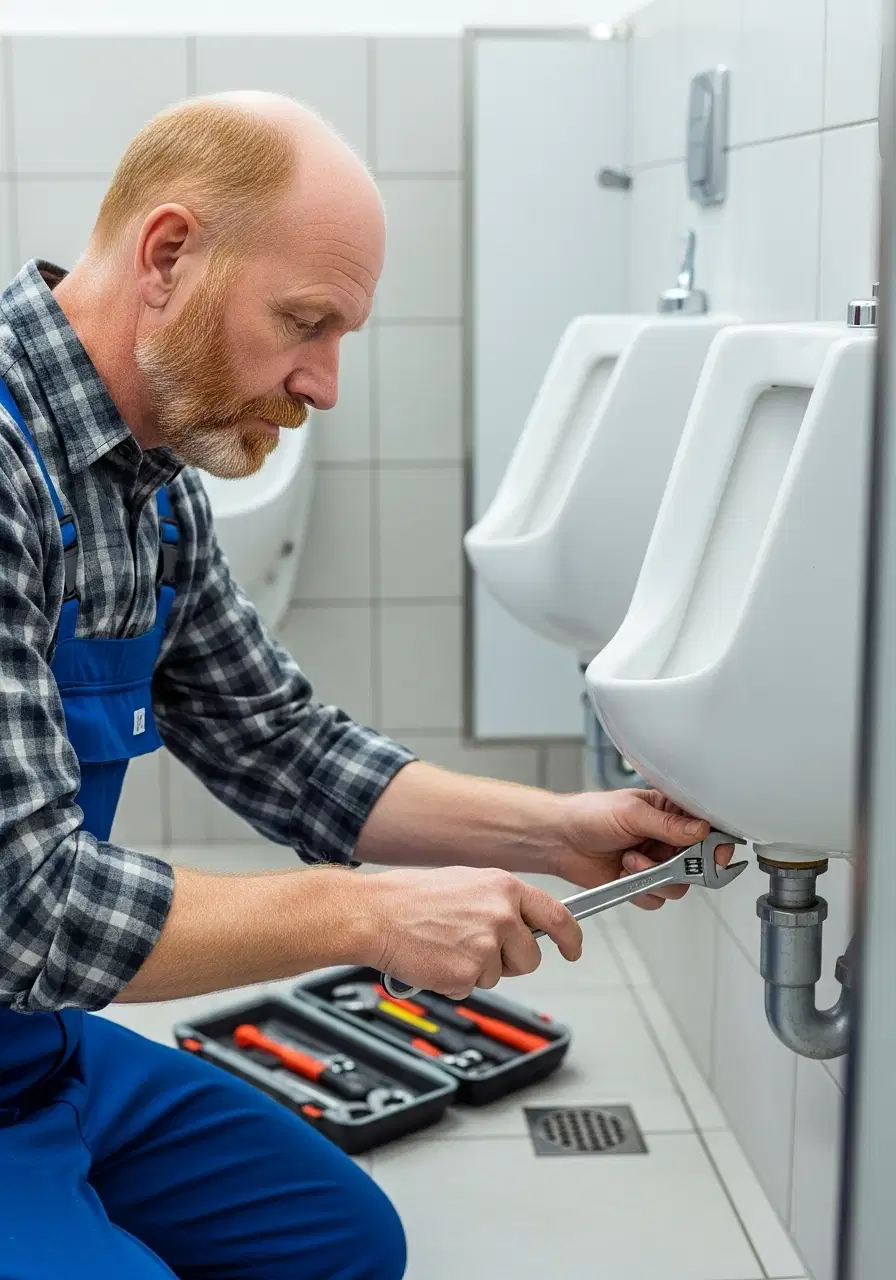
If you've caught the freeze early and the pipe is exposed and accessible, you may be able to thaw it yourself. The key here is to apply gentle, even heat. Under no circumstances should you ever use an open flame, such as a propane torch or a lighter. This is an extreme fire hazard and can damage your pipes.
Safe Methods for Thawing:
- Hairdryer: Use a standard hairdryer on a low to medium heat setting. Start from the end of the pipe closest to the tap and work your way back toward the frozen blockage. Keep the hairdryer moving to distribute the heat evenly and avoid concentrating it on one spot.
- Warm Towels: Soak towels in warm water, wring them out, and wrap them around the frozen section of the pipe. You may need to re-apply the warm towels several times as they cool down.
- Heating Cable: Electrical heating cable (or heat tape) can be wrapped directly around the pipe to gently warm it. Follow the manufacturer's instructions carefully to ensure safe operation.
- Portable Space Heater: Place a small space heater in the room, ensuring it is a safe distance from the pipe and any flammable materials. This method is slower but can effectively raise the ambient temperature to thaw the pipe gradually.
Patience is essential. It can take time for the ice to melt completely. Once water begins to flow from the open tap again, let it run for a few minutes to ensure the blockage is fully cleared.
Step 3: When to Call for Professional Emergency Help
While a minor freeze can sometimes be a DIY fix, many situations require the expertise and equipment of a licensed plumber. Attempting to fix a complex problem yourself can lead to bigger, more expensive issues. It's time to call for help if:
- The Pipe Has Already Burst: If you see water spraying or pooling, it's a full-blown emergency. Shut off the main water valve immediately and call for emergency plumbing services. The priority is to stop the water flow and minimize damage.
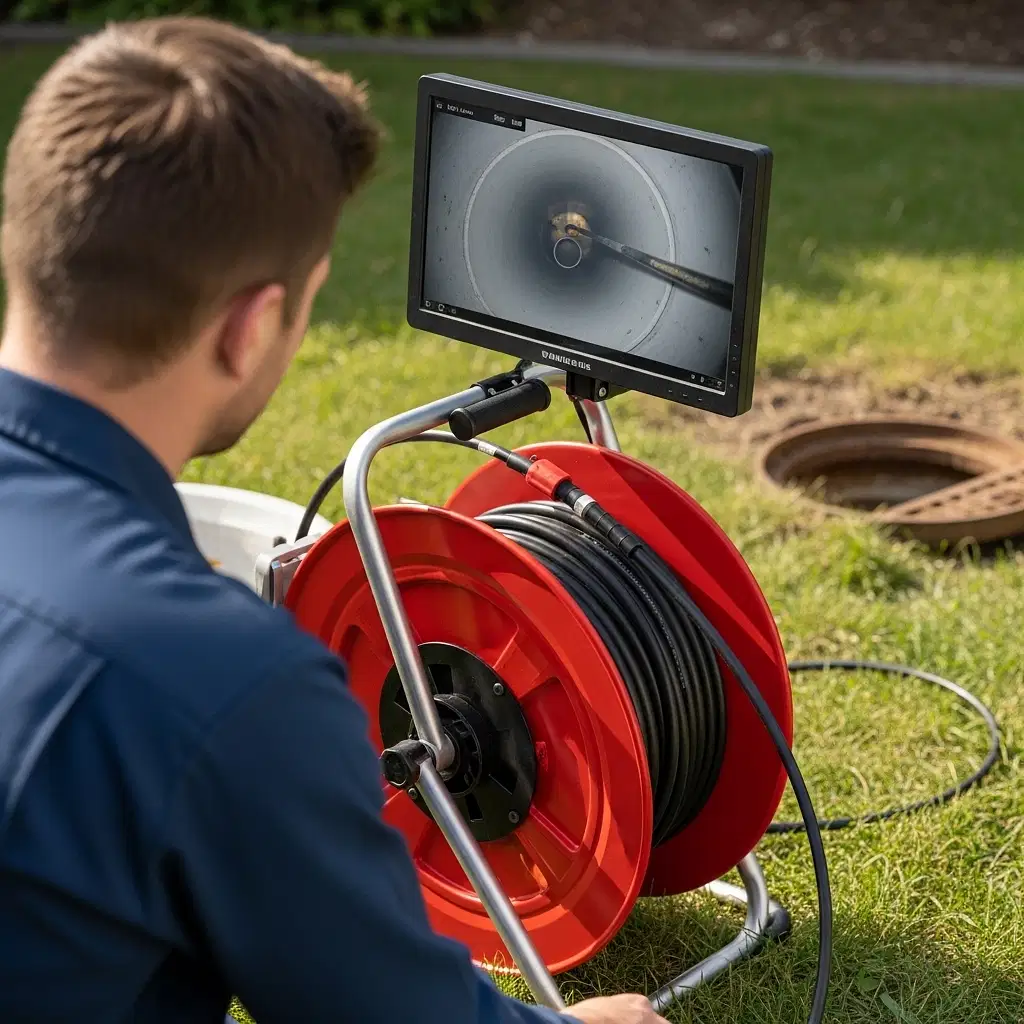
- The Frozen Pipe is Inaccessible: If the pipe is located behind a wall, in a ceiling, or underground, you won't be able to thaw it safely on your own. Professionals have tools like thermal cameras to locate the freeze without causing unnecessary damage to your home.
- Your Thawing Attempts Are Unsuccessful: If you've been trying to thaw a pipe for a while with no results, it's best to let an expert take over. The blockage may be larger or more severe than you realize.
- You're Unsure or Uncomfortable: Plumbing systems are complex. If you're not confident in what you're doing, the safest bet is to call a professional. A burst pipe can quickly lead to a wet basement and the potential for structural damage and mold growth.
In cases where an underground pipe has frozen and burst, a specialized approach is needed. This often requires excavation and professional-grade solutions for underground drain replacement and repairs to restore function and prevent future problems.
Step 4: Preventing Frozen Pipes in the Future
Once you've resolved a frozen pipe issue, you'll want to do everything you can to prevent it from happening again. A little proactive maintenance can save you a lot of stress and money down the line.
- Insulate Exposed Pipes: Use pipe sleeves or insulation to protect pipes in unheated areas like crawl spaces, attics, and garages.
- Seal Air Leaks: Seal any cracks or openings in your foundation, walls, or around windows near pipes to keep cold air out.
- Disconnect Outdoor Hoses: Before the first frost, disconnect, drain, and store all garden hoses. If you don't have a frost-proof spigot, shut off the interior valve that supplies it with water.
- Maintain a Consistent Temperature: During severe cold snaps, keep your thermostat set to a consistent temperature, even when you're not home. The extra heating cost is minimal compared to the cost of a burst pipe repair.
- Let Taps Drip: On the coldest nights, allowing a tap furthest from your main water line to drip slowly can keep water moving through the pipes and help prevent it from freezing solid.
Don't Let a Frozen Pipe Ruin Your Winter
Dealing with a frozen pipe can be stressful, but knowing how to react is half the battle. By identifying the signs early, using safe thawing methods for minor issues, and knowing when to call for professional help, you can protect your home from significant water damage. Prevention is always the best strategy, so taking steps to winterize your plumbing is a wise investment.
If you're facing a plumbing emergency or suspect you have a frozen or burst pipe, don't hesitate. The experienced and licensed team at Toronto Drains & Waterproofing is ready to help. We provide fast, reliable emergency plumbing services to protect your Toronto home. Contact us today for immediate assistance and peace of mind.