Is Your Basement Plumbing Up to Code? A Guide for Toronto Homeowners
Many of us love the character of Toronto's diverse neighbourhoods, from the historic homes in Rosedale to the classic bungalows in Scarborough. A big part of that character lies beneath our feet, in the basement. Whether you use it for storage, a family room, or have a secondary suite, the health of your home is deeply connected to the health of your basement's plumbing. Outdated pipes and drainage systems, common in older properties, can pose significant risks that go far beyond a minor inconvenience.
Ignoring the signs of aging plumbing can lead to recurring clogs, water damage, and even hazardous sewer backups. For homeowners across Toronto, understanding the state of your underground drains isn't just about fixing problems—it's about protecting your property value and ensuring a safe, dry living space. This guide will walk you through the common issues found in older basements and the modern solutions that can bring your home's plumbing up to today's standards, giving you lasting peace of mind.
The Hidden Risks of Aging Basement Drains
Decades ago, plumbing systems were built with the best materials available at the time. Unfortunately, many of those materials are now reaching the end of their functional lifespan. In many Toronto homes, the original underground sewer lines were made of clay (terracotta) or cast iron. While durable for their era, these materials are susceptible to a host of problems over time.
- Root Intrusion: The joints of old clay pipes can separate slightly, creating an entry point for tree roots seeking water. Once inside, these roots expand, causing blockages and eventually cracking or collapsing the pipe.
- Cracks and Deterioration: Over years of soil shifting and pressure, clay pipes can crack, and cast iron pipes can corrode and rust from the inside out. This leads to leaks that saturate the soil around your foundation and creates rough surfaces that snag waste, causing frequent backups.
- Pipe Shifting (Bellies): The ground beneath your home can settle unevenly, causing a section of the pipe to dip. This creates a 'belly' where water and solid waste collect, leading to persistent clogs and unpleasant odours in your washroom or basement.
These issues often manifest as slow drains, gurgling noises, or recurring backups that a simple snaking can't permanently fix. If left unaddressed, the consequences can escalate from frustrating clogs to serious water damage and costly foundation issues. A proper diagnosis is key to finding a permanent solution rather than applying a temporary fix.
Modern Upgrades for a Secure and Dry Basement
Fortunately, modern plumbing technology offers highly effective and durable solutions to these age-old problems. Upgrading your basement's drainage system is a proactive investment in your home's health and safety. Here are the most critical upgrades for Toronto homeowners:
Underground Drain Replacement
Replacing failing clay or cast iron pipes is the most definitive way to solve chronic drainage issues. Modern PVC pipes are the new standard for a reason: they are smooth, durable, and feature tightly sealed joints that are impenetrable to tree roots. This ensures a clear, reliable flow for decades. While traditional excavation is sometimes necessary, many situations allow for less invasive techniques that minimize disruption to your landscaping and property. Learn more about our approach to underground drain replacement and repairs.
Backwater Valve Installation
Toronto's sewer system can become overwhelmed during heavy rainfall, a situation that is becoming more common. When this happens, the city sewer can back up into your home's drain lines, flooding your basement with raw sewage. A backwater valve is a crucial protective device installed on your main sewer line. It acts as a one-way gate, allowing waste to flow out of your home but automatically closing to prevent sewage from flowing back in. For any home with plumbing fixtures in the basement, a properly installed backwater valve is an essential line of defence.
Why a Professional Camera Inspection is Your First Step
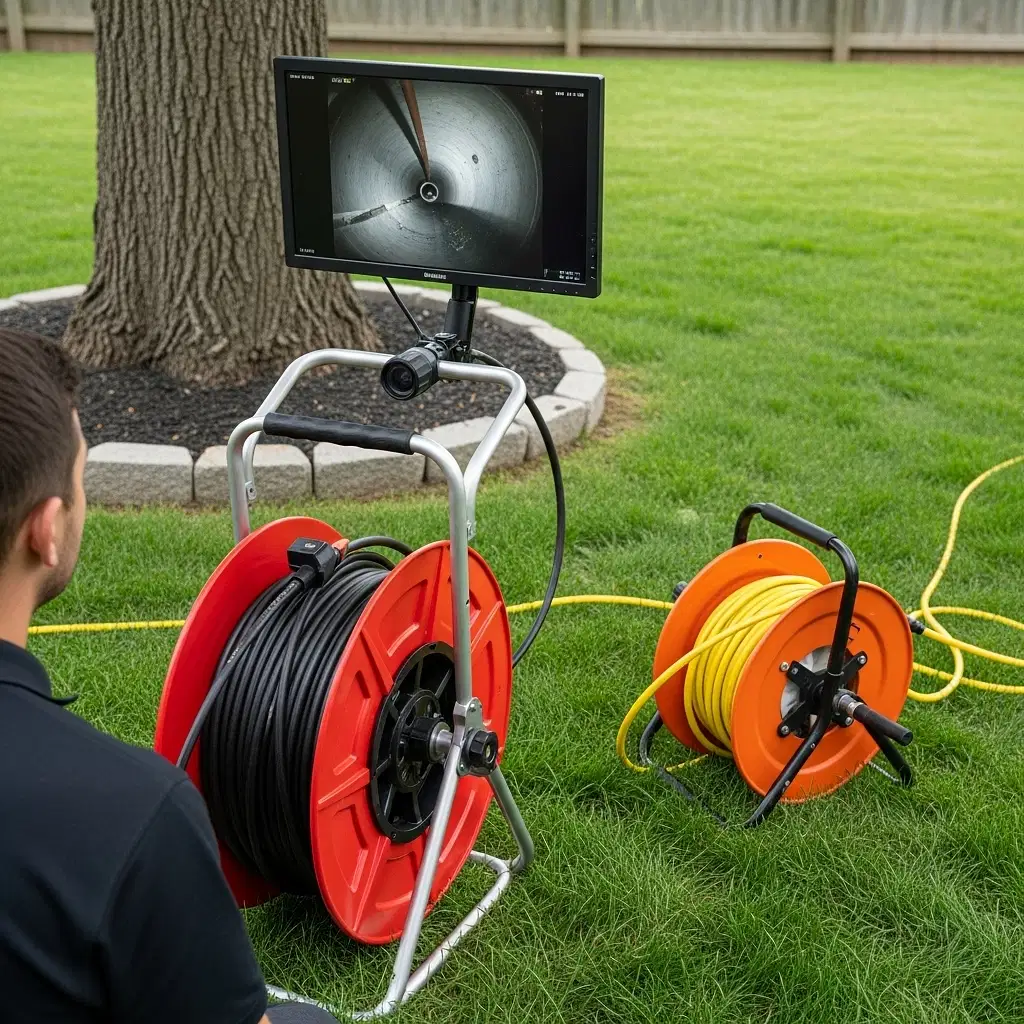
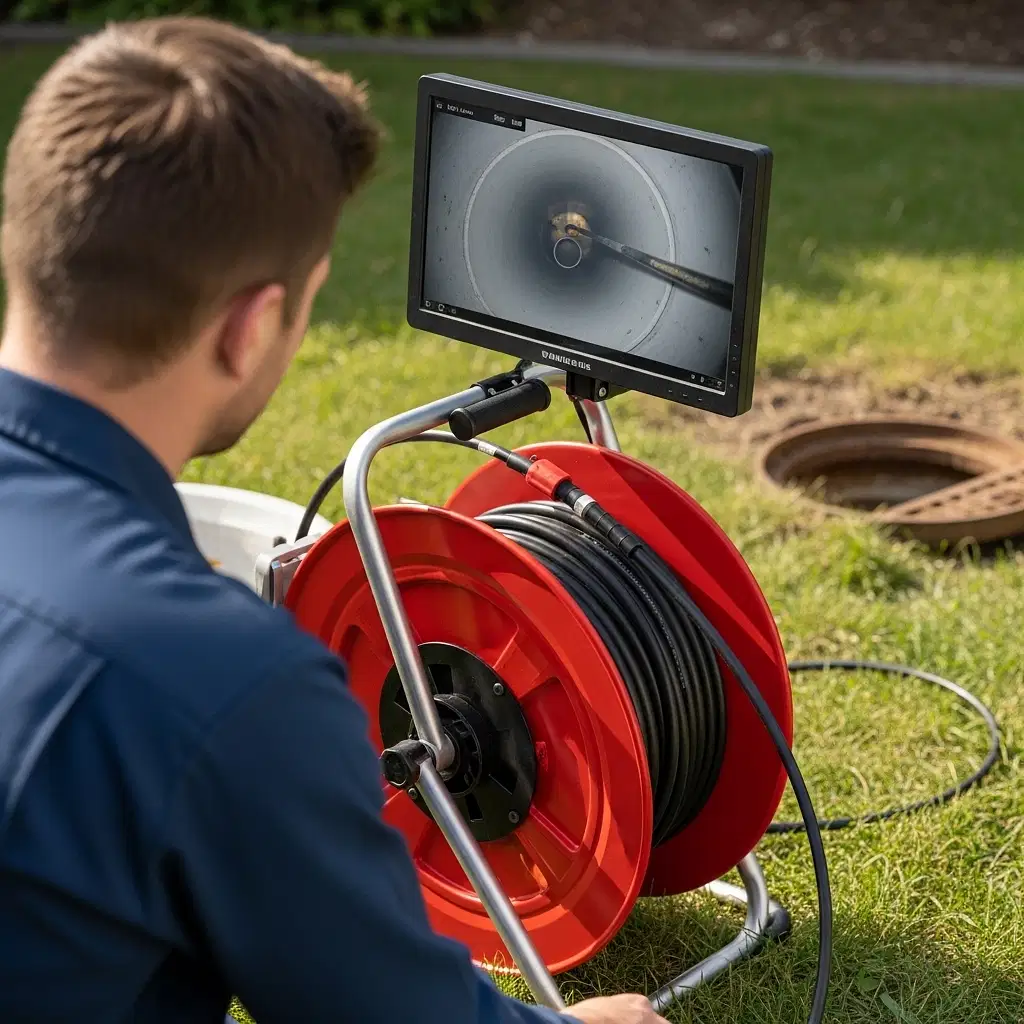
You can't fix what you can't see. Before any major work begins, the most important step is to get a clear picture of what's happening inside your pipes. A professional drain camera inspection involves feeding a high-resolution camera down your drain lines to identify the exact cause and location of any problems.
This diagnostic step is crucial for several reasons:
- Accurate Diagnosis: It confirms whether you're dealing with root intrusion, a collapsed pipe, a belly, or a simple blockage.
- Saves Money: It prevents unnecessary and costly guesswork. By pinpointing the problem, we can recommend the most targeted and cost-effective solution.
- Provides Peace of Mind: Seeing the condition of your pipes firsthand helps you understand the necessity of the recommended repairs and gives you confidence in your investment.
An honest, transparent assessment is the foundation of quality plumbing work. It ensures you're getting the right solution for your specific problem, building the trust and reliability that every homeowner deserves.
Special Considerations for Basement Apartments & Secondary Suites
Basement apartments are a common feature of the Toronto housing landscape, providing valuable rental income for homeowners. However, they also come with specific plumbing requirements that must meet the Ontario Building Code to ensure tenant safety and functionality.
When upgrading or installing plumbing for a secondary suite, it's vital to consider:
- Proper Drainage and Venting: Kitchens and washrooms in a basement require dedicated drainage and venting systems to function correctly and prevent sewer gas from entering the living space.
- Backflow Prevention: Protecting the drinking water supply from contamination is critical, especially in a multi-unit dwelling.
- Adequate Fixture Support: Ensuring all sinks, toilets, and showers are properly supported and connected to the main drain line without compromising flow.
Working with a licensed plumber who understands the specific regulations for secondary suites is essential for compliance and avoiding future headaches. A proper installation ensures your basement unit is safe, legal, and free from the chronic plumbing issues that can disrupt your tenants' lives and your peace of mind.
Protect Your Home from the Ground Up
Your basement's plumbing is the unseen foundation of your home's daily function and safety. By addressing the risks of an aging system and investing in modern, reliable solutions, you protect your property from water damage, eliminate the stress of recurring backups, and increase its overall value. From old clay pipes to the specific needs of a basement apartment, taking a proactive approach is always the smartest choice.
If you're concerned about the plumbing in your Toronto basement—whether you're experiencing frequent clogs, planning a renovation, or simply want to ensure your home is protected—contact the experts at Toronto Drains & Waterproofing. We start with a thorough camera inspection to give you a clear and honest diagnosis. From there, we can provide the right solutions, including professional underground drain repairs and essential backwater valve installation, to keep your basement safe and dry for years to come. Contact us today for a consultation.