Lead Pipe Replacement for Century Homes: What You Need to Know
Owning a century home in Toronto comes with undeniable charm. From the stunning architecture in The Beaches to the historic character found throughout the West End and East End, these properties are a beautiful piece of local history. However, beneath the original hardwood floors and behind the plaster walls, older homes often hide outdated infrastructure that requires modern attention. One of the most critical issues homeowners face is the presence of lead water service lines.
While the aesthetic appeal of an older property is timeless, the plumbing supplying your drinking water needs to meet modern safety standards. If you are living in a historic property, understanding the risks and knowing when to upgrade your pipes is essential for your family's health and your home's long-term value. Many homeowners are unaware of what lies beneath their front lawn or behind their basement walls until a problem arises. By taking a proactive approach, you can preserve the integrity of your historic property while ensuring it meets the safety and efficiency standards of a modern household.

Identifying Lead Water Service Lines and Understanding the Risks
Before the mid-1950s, lead was a standard material used for plumbing pipes connecting homes to the municipal water supply. If your house was built before this time and the plumbing hasn't been fully updated, there is a strong chance you still have lead components. Identifying lead water service lines is usually the first step in securing your home's water quality. You can often perform a simple scratch test on the pipe where it enters your basement, typically near the water meter. Lead is a soft, dull grey metal; if you gently scratch it with a key or coin, it will reveal a shiny silver color underneath. Furthermore, a magnet will not stick to a lead pipe.
The health risks of lead plumbing in older homes are well-documented and significant. When water sits in these pipes, especially overnight, lead can leach into the drinking water. Exposure to this heavy metal is particularly dangerous for young children and pregnant women, as it can affect neurological development and overall health. Even low levels of exposure over time can be harmful. While you might be focused on updating a vintage washroom or modernizing your kitchen, ensuring the water flowing into those fixtures is safe should be your top priority. If you suspect your pipes are compromised or if you experience sudden leaks from degrading materials, our team is always ready to handle plumbing emergencies with fast, reliable service.
The Lead Pipe Replacement Process and Costs
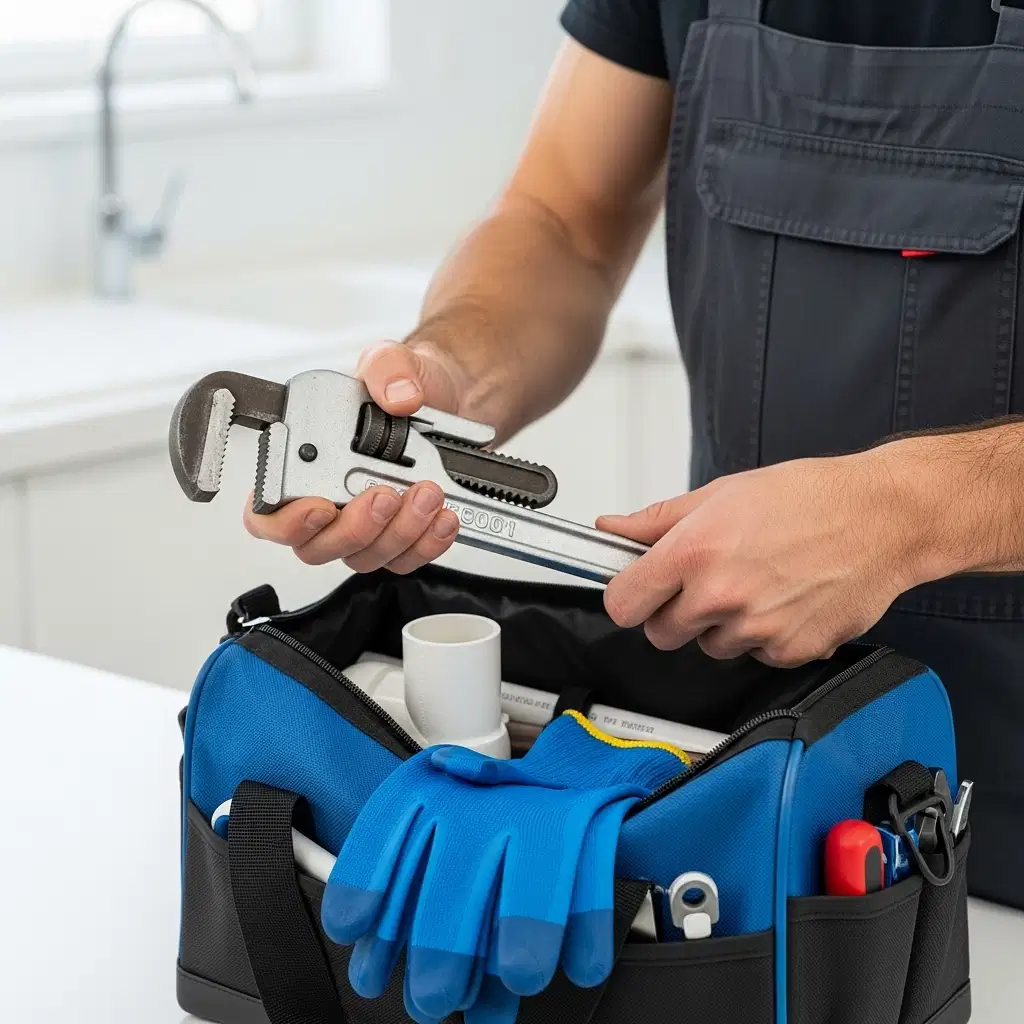
When it comes time to address outdated infrastructure, many homeowners worry about the disruption to their property and the potential expenses. Fortunately, modern plumbing techniques have made this process much more efficient. The lead pipe replacement cost and process depend heavily on the layout of your property, the distance from the municipal connection to your home, and the specific methods used for the upgrade.
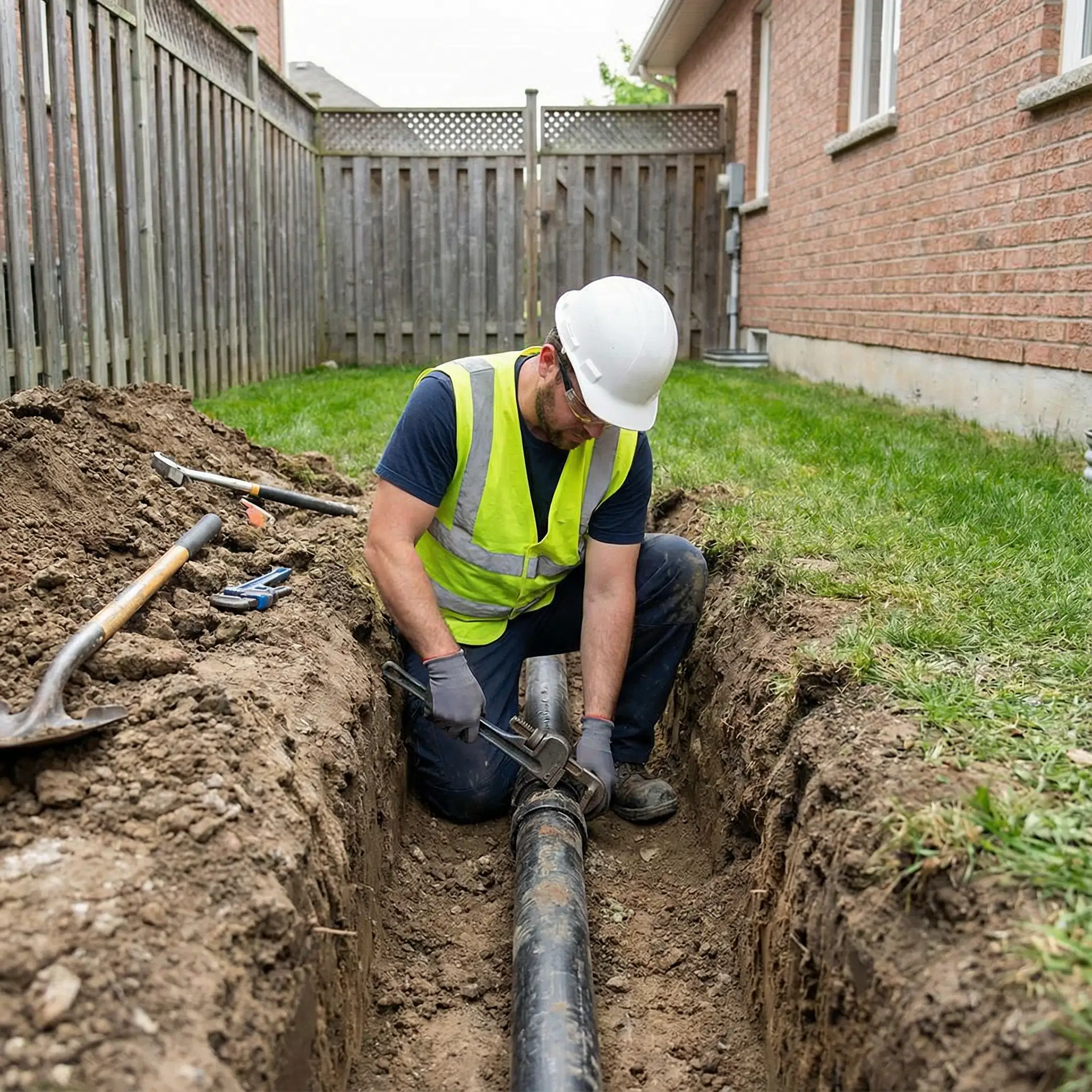
It is important to note that the water service line is divided into two sections: the municipal side, which runs from the water main in the street to your property line, and the private side, which runs from the property line into your home. As a homeowner, you are responsible for the private side. Traditionally, replacing a water service line required extensive digging, which could ruin landscaping, driveways, and historic porches. Today, we often utilize trenchless technology for underground drain replacement and repairs. This method allows us to pull a new, safe copper or specialized plastic pipe through the existing pathway with minimal excavation. It preserves the historic exterior of your property while providing a permanent, safe water supply.
During these upgrades, it is also an excellent time to consider other protective measures for your home's water system. For instance, installing portable water backflow prevention devices ensures that contaminated water cannot flow backward into the clean municipal supply, a requirement that is becoming increasingly important for compliance with local building codes. We believe in transparent, upfront pricing, so before any work begins, our licensed technicians will provide a clear, detailed breakdown of the costs involved, ensuring there are no hidden fees on your final invoice.
Addressing Other Outdated Plumbing in Historic Properties
While the main water service line is a primary concern, it is rarely the only outdated plumbing feature in a historic property. Upgrading galvanized steel and lead pipes throughout the interior of the house is equally important. Galvanized steel pipes, commonly installed in the early to mid-20th century, are notorious for rusting from the inside out. Over decades, this internal corrosion restricts water flow, leading to frustratingly low water pressure in your home. Eventually, these corroded pipes will develop pinhole leaks, which can cause extensive water damage behind walls and under floors before they are even discovered.
Replacing these internal lines with modern copper or PEX piping not only eliminates the risk of heavy metal exposure but also dramatically improves the efficiency of your entire plumbing system. When you combine new piping with modern, high-efficiency fixtures, you reduce the strain on your home's infrastructure. Furthermore, if you are planning to install modern appliances, such as a high-capacity washing machine or a new tankless water heater that runs on hydro, having updated, reliable plumbing is an absolute necessity to handle the increased demand safely and efficiently.
Protecting Your Home and Family
Maintaining an older property is a labor of love, but you don't have to tackle the hidden challenges alone. Upgrading your water service lines not only protects your family from serious health risks but also improves water pressure, prevents unexpected leaks, and increases the overall value of your property. Whether you are dealing with outdated plumbing, planning a major renovation, or simply want peace of mind about the water your family drinks, professional guidance is key.
At Toronto Drains & Waterproofing, our Red Seal certified plumbers treat your home with the utmost respect, ensuring a clean workspace and guaranteed workmanship. We understand the unique challenges that come with historic properties and have the modern tools to solve them without destroying your home's character. If you are ready to modernize your plumbing or need an expert inspection, contact us today. We proudly serve homeowners across the GTA, providing transparent pricing and the expertise needed to keep your historic home safe and sound for generations to come.