
Preserving Toronto's Charm: A Guide to Foundation Waterproofing for Heritage Homes
Owning a heritage home in Toronto is a unique privilege. These properties, with their distinct architecture and timeless character, are a vital part of our city's history. But they also come with unique responsibilities, especially when it comes to protecting them from the elements. One of the most common and stressful issues for owners of older homes is the threat of water in the basement. A musty smell, a damp spot on the wall, or a puddle after a heavy rain can signal a problem that goes far deeper than the basement floor. It can threaten the very structure you cherish.
Unlike modern homes with poured concrete foundations, heritage properties were built with materials and methods that require specialized knowledge. Understanding how to properly waterproof these foundations is key to preserving both your home's integrity and your peace of mind. This guide will walk you through the unique challenges of older foundations, how to spot trouble, and the modern solutions available to keep your historic home safe and dry for generations to come.
Why Heritage Home Foundations Are a Special Case
The foundation of a home built a century ago is fundamentally different from one built today. While modern construction relies on poured concrete and pre-installed waterproof barriers, older Toronto homes often sit on foundations made of fieldstone, rubble, or brick, held together with lime-based mortar. These materials have their own character and vulnerabilities.
- Porous Materials: Brick and older mortar are naturally more porous than modern concrete. Over decades, they can absorb moisture from the surrounding soil, leading to a persistently damp environment.
- Mortar Degradation: The original mortar binding the stones or bricks together can break down over time. Toronto's harsh freeze-thaw cycles cause moisture in the joints to expand and contract, accelerating this decay and creating pathways for water to enter.
- Original Drainage: Many heritage homes were built with rudimentary drainage systems, like clay weeping tiles, or sometimes none at all. These old systems are often collapsed, clogged with silt, or simply inadequate for the amount of rainfall we experience today.
These factors combined mean that a one-size-fits-all approach to waterproofing simply won't work. It requires a careful, considered strategy that respects the original construction while providing modern protection.
Telltale Signs of Water Problems in Your Older Home
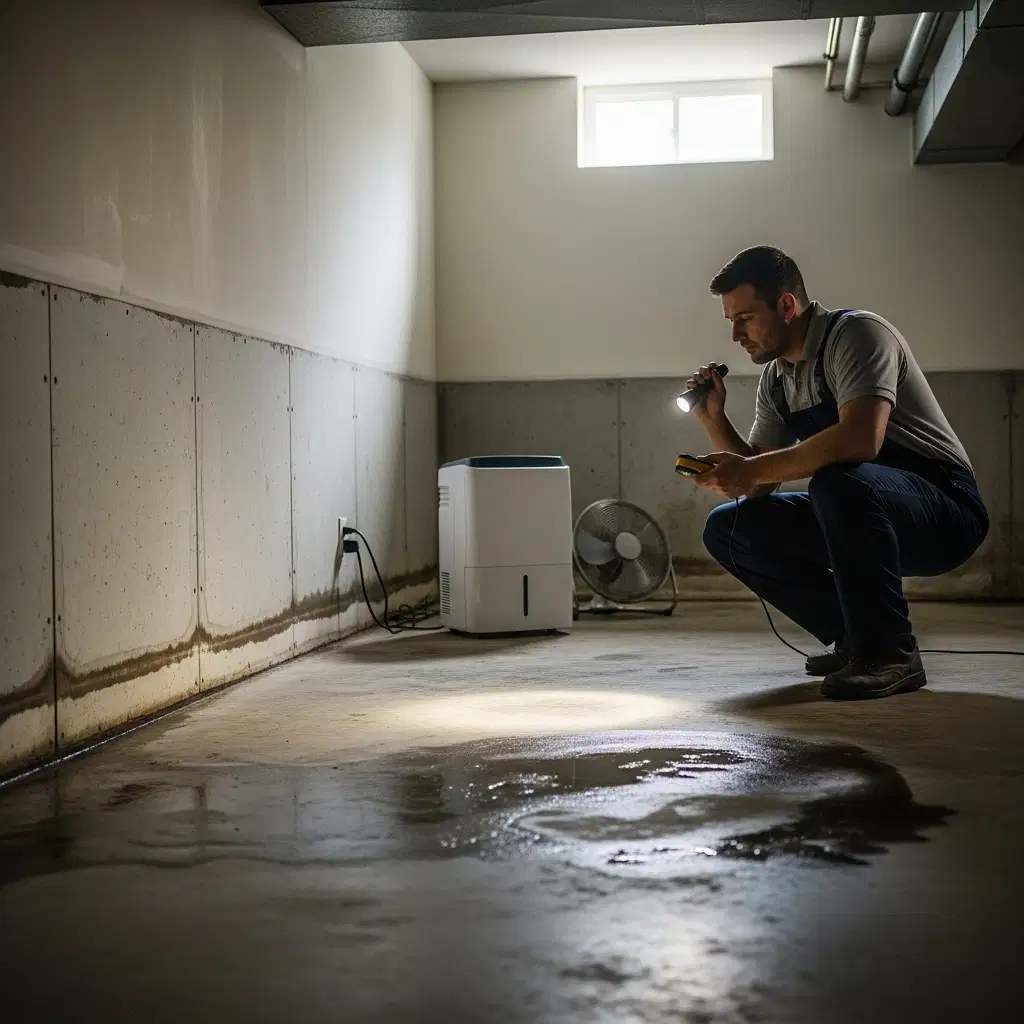
Water damage in a heritage home isn't always as obvious as a full-blown flood. The signs are often subtle at first, but ignoring them can lead to more significant and costly repairs down the road. Keep an eye out for these common indicators that you might have a wet basement issue:
- Musty Odors: A persistent damp, earthy smell in your basement or crawlspace is one of the most common first signs of excess moisture and potential mold growth.
- Efflorescence: Have you noticed a white, chalky powder on your foundation walls? This is efflorescence, which is salt deposits left behind as water evaporates from the brick or stone. It's a clear sign that moisture is passing through the foundation.
- Damp Spots and Stains: Dark patches on the walls or floor, especially after a storm, indicate exactly where water is getting in. These may dry out, but the stain they leave behind is a permanent clue.
- Peeling Paint or Rotting Wood: Moisture will cause paint to bubble and peel off masonry walls. If you have wooden posts, window frames, or joists in your basement, check them for soft, rotting spots.
- Increased Humidity: If the air in your basement feels heavy, sticky, or generally more humid than the rest of your house, it's a sign of excess moisture that needs to be addressed.
Modern Solutions for Historic Foundations
Protecting a century-old foundation doesn't mean you're stuck with century-old solutions. Modern waterproofing technology can be expertly applied to preserve the structural integrity and character of your heritage home. The key is choosing the right method for your specific situation.
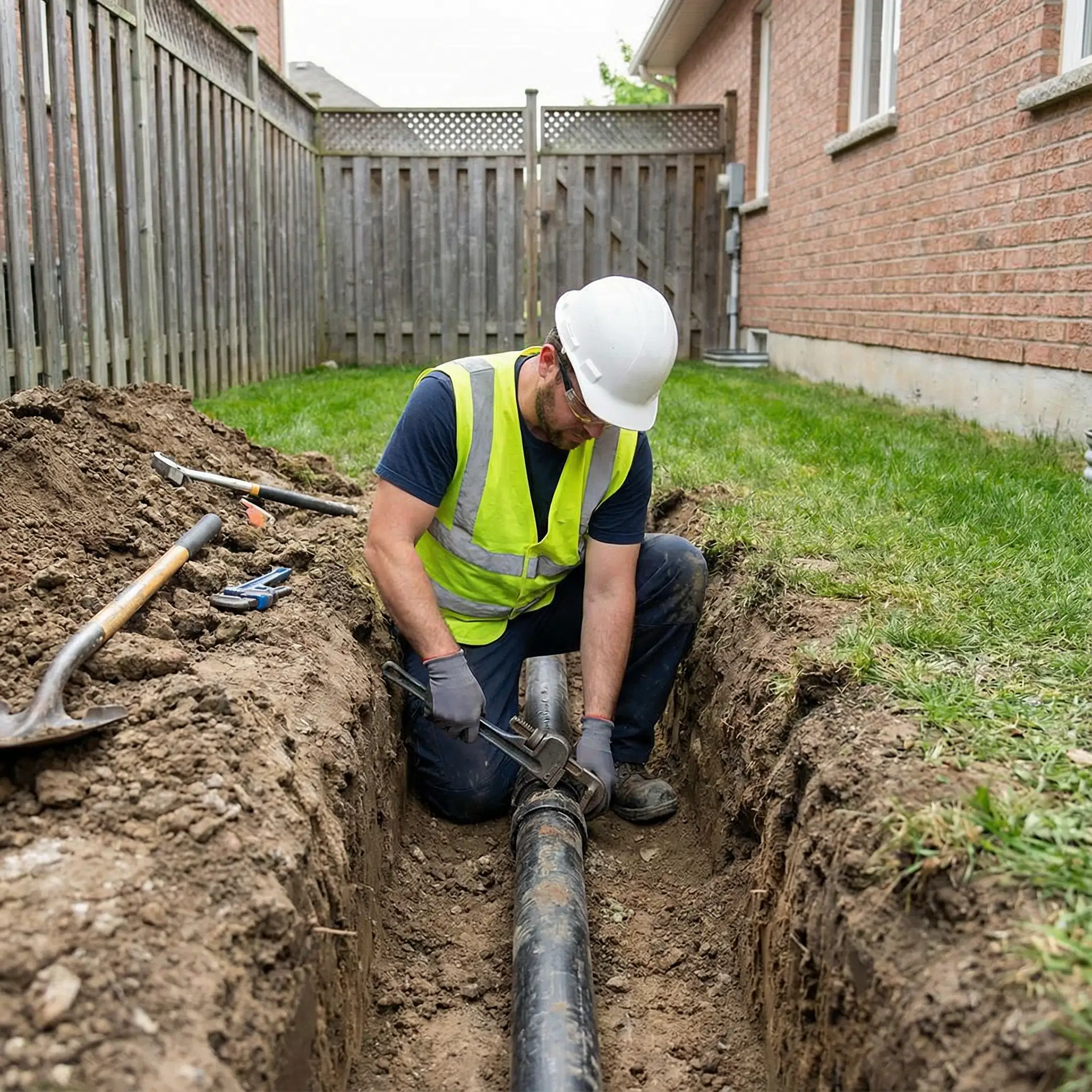
Comprehensive Exterior Waterproofing The most effective long-term solution is often a full exterior foundation waterproofing system. This process involves carefully excavating the soil around the foundation walls. The exposed stone or brick is then cleaned, any necessary mortar repairs are made, and a seamless, high-tech waterproof membrane is applied. This creates an impenetrable barrier against soil moisture. A new weeping tile system and drainage layer are installed at the base to collect and divert water away from the foundation before it can build up pressure.
Underground Drain Health Sometimes, the problem isn't just with the foundation itself, but with the pipes that carry water away from your home. The original clay sewer lines in many older Toronto neighborhoods are susceptible to cracking, collapsing, and intrusion from tree roots. A blockage or break in these pipes can cause water and sewage to back up directly into your basement. A professional assessment should always include a camera inspection of your drains to ensure they are functioning correctly. If issues are found, modern techniques for underground drain replacement and repairs can solve the problem with minimal disruption to your property.
Choosing the Right Professional for Your Heritage Property
When it comes to your heritage home, not just any contractor will do. You need a team that specializes in the unique challenges these properties present. A generalist may not understand the nuances of working with stone foundations or the importance of preserving the home's historical character.
Look for a company with proven experience working on older homes in the Toronto area. They should be able to explain their process clearly, from the initial assessment to the final cleanup. Ask if they are fully licensed and insured, and don't hesitate to request references from other heritage homeowners. A true professional will understand that their job is not just to fix a leak, but to act as a custodian for a piece of history, ensuring it stands strong for another hundred years.
Protect Your Piece of Toronto's History
Your heritage home is an irreplaceable asset. Protecting its foundation is one of the most important investments you can make in its future. By recognizing the early signs of water intrusion and understanding the modern solutions available, you can prevent small issues from becoming major structural problems. A dry, stable foundation ensures your home remains a safe, healthy, and valuable part of our city's landscape.
If you've noticed any of the warning signs or want a professional assessment of your heritage home's foundation, we're here to help. The team at Toronto Drains & Waterproofing has the specialized expertise to handle everything from foundation waterproofing to underground drain repairs. Contact us today to schedule a consultation and ensure your beautiful Toronto home is protected.