
Signs Your Weeping Tile Needs Replacement Before the Next Big Storm
When extreme weather hits The GTA, your home's drainage system is the only thing standing between a cozy living space and a costly, stressful disaster. As we transition between severe, freezing winter conditions and unpredictable spring thaws, older drainage systems often struggle to keep up with the sudden influx of water. One of the most critical components of this underground defense is your weeping tile.
Many homeowners do not think about their exterior drainage until they are standing in an inch of water. However, recognizing the early warning signs of system failure can save you thousands of dollars in emergency repairs and structural damage. In this guide, we will explore what a weeping tile is, why it eventually fails, and how to know when it is time for a professional replacement.

What is a Weeping Tile and Why Do They Fail?
Despite the confusing name, a weeping tile is not actually a tile at all. It is a porous, perforated pipe installed in a trench underground around the perimeter of your foundation. Its primary job is to collect excess groundwater and direct it safely away from your home's base. Depending on how and when your house was constructed, you might have an interior weeping tile system under your basement floor or an exterior french drain system sitting alongside the outer footings. Both serve a similar purpose but face different environmental challenges over the decades.
For those living in a beautiful century home, your property might still rely on original clay pipes. While these were the absolute standard for builders generations ago, they are highly susceptible to shifting soil, freezing and thawing cycles, and tree root intrusion. Once roots find their way inside the clay pipe to reach the condensation and moisture, they can rapidly grow to completely block or crush the line.
When this happens, the water has nowhere to go but up and into your home. In these cases, a full underground drain replacement and repairs service becomes necessary to remove the compromised sections, install durable modern materials, and restore proper water flow away from your foundation.
Clear Warning Signs of System Failure
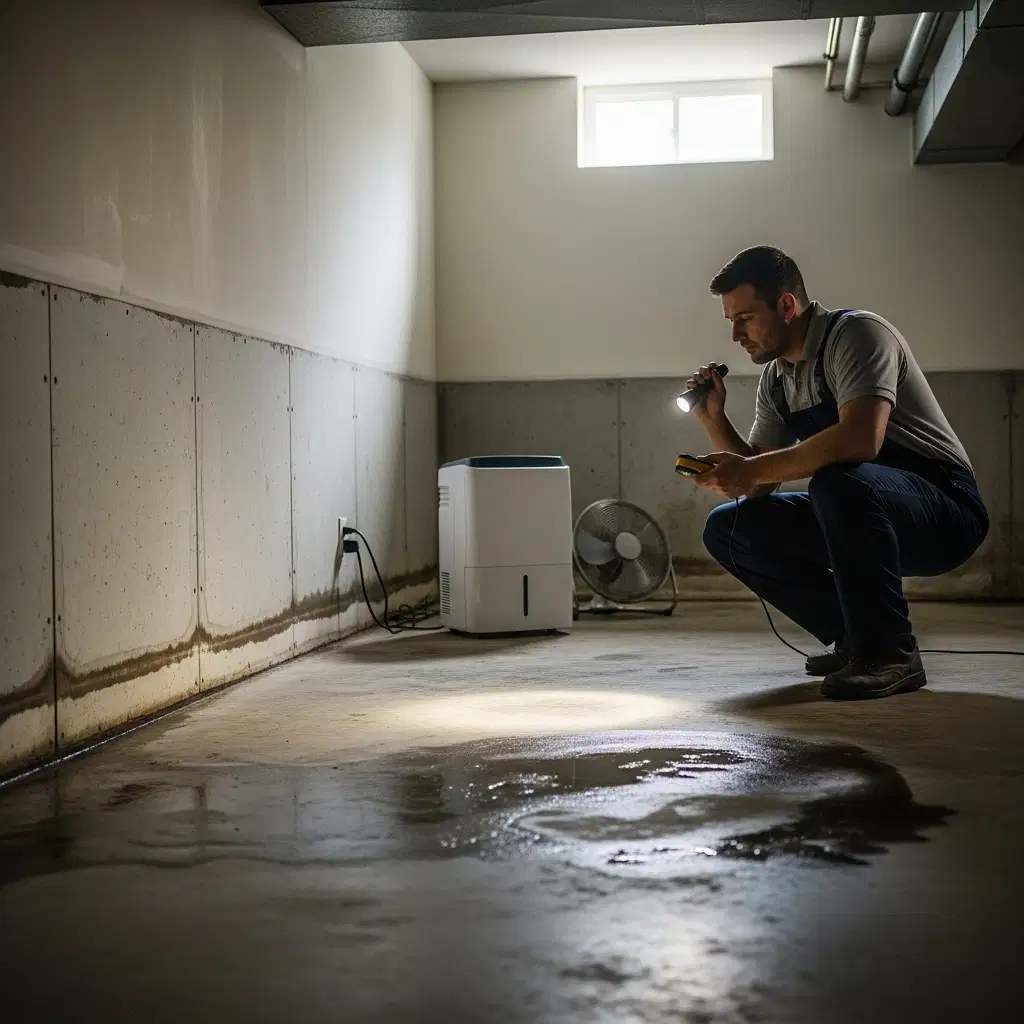
The most obvious and frustrating indicator of a failing weeping tile is dealing with wet basements immediately following a heavy rainstorm or rapid snowmelt. If you notice persistent dampness, water pooling exactly where the concrete floor meets the wall, or bubbling and peeling paint on your lower levels, groundwater is not being properly diverted.
Another subtle but crucial sign is a musty, damp odor that lingers in your basement or downstairs washroom. Even if you cannot see standing water on the floor, a failing drainage system allows moisture to continuously seep through the porous concrete. Over time, this creates the perfect, humid environment for hazardous mold and mildew to spread behind your drywall.
You should also pay close attention to your home's mechanical systems. If your sump pump is running constantly—even when there has not been significant rain for days—it might be working overtime because the weeping tile is clogged and not distributing the surrounding water load correctly. This continuous cycling not only burns out the pump motor much faster but can also cause an unexpected and unwelcome spike in your monthly hydro bill. Additionally, if you walk around your property and notice large puddles of water pooling near the foundation walls long after a storm has passed, your exterior french drain is likely fully compacted with mud and debris.
Next Steps for Homeowners and Lasting Solutions
If you suspect an issue with your underground drainage, testing your weeping tile is not something you should leave to guesswork or DIY temporary fixes. Our licensed and fully insured technicians use specialized, high-definition camera inspections to see exactly what is happening underground without having to unnecessarily dig up your landscaping right away. This advanced diagnostic approach allows us to pinpoint the exact location of a blockage or collapse. It also enables us to provide transparent, upfront pricing with no hidden fees, so you know exactly what the solution will cost before any heavy work begins.
If a replacement is indeed required, investing in comprehensive foundation waterproofing is the absolute best way to secure your property for decades to come. When we replace the weeping tile, we also apply waterproof membranes to the exterior walls to ensure total protection.
It is also highly worth noting that upgrading your home's flood defenses might qualify you for the Basement Flooding Protection Program. This municipal subsidy is specifically designed to help local residents offset the cost of vital, code-compliant plumbing upgrades. By having a licensed master plumber handle your weeping tile replacement, backwater valve installation, and sump pump upgrades, you can often recover a significant portion of your investment through these municipal rebates.
Protect Your Home with Professional Expertise
Ignoring a compromised drainage system during our region's unpredictable weather fluctuations will inevitably lead to severe structural degradation and stressful emergency cleanups. Water always finds the path of least resistance, and without a functional weeping tile, that path usually leads straight into your finished living areas.
At Toronto Drains & Waterproofing, we pride ourselves on our punctuality, our respect for your property, and our steadfast workmanship guarantees. We always use protective boot covers, maintain clean workspaces, and ensure your home is treated with the utmost care from the moment we arrive.
If you are worried about the state of your foundation's drainage in Toronto, do not wait for the next major seasonal storm to find out if your pipes will hold up under the pressure. Reach out to our dedicated team through our contact us page to schedule a professional diagnostic inspection. Let our red-seal certified experts provide the lasting solutions you need to keep your home safe, dry, and protected year-round.