The Complete Guide to Kitec Plumbing Replacement in Condos
Living in a modern high-rise in Toronto offers incredible convenience and stunning views, but if your building was constructed or renovated between 1995 and 2007, there might be a hidden risk lurking behind your walls. During this period, a specific type of polymer piping known as Kitec was widely used in residential construction. Today, it is one of the most significant concerns for condo owners and property managers alike.
Initially praised for its flexibility, ease of installation, and affordability, this piping system was later discovered to have a critical flaw. The brass fittings used to connect the pipes are prone to a chemical reaction called dezincification. Over time, this causes the fittings to corrode, weaken, and eventually fail, leading to catastrophic water damage.
Because of these widespread failures, a massive class-action lawsuit was settled, and now, most condo boards are mandating that unit owners replace these systems entirely. If you have recently received a notice from your property management or are simply concerned about the plumbing in your unit, understanding what this piping is, the risks involved, and the replacement process is your first step toward protecting your home and your investment.
How to Identify Kitec Piping in Your Unit
Before you panic, it is important to verify whether your unit actually contains this specific brand of piping. Fortunately, it is relatively easy to identify if you know where to look and what to look for.
The most distinctive feature of this plumbing system is its color. The pipes are typically bright orange for hot water lines and bright blue for cold water lines. However, in some cases, they may also be gray or black. The most foolproof way to identify them is by looking at the printed text on the side of the pipe itself. You will often see the brand name printed directly on the plastic, or associated names like PlumbBetter, IPEX AQUA, WarmRite, or Kitec XPA.
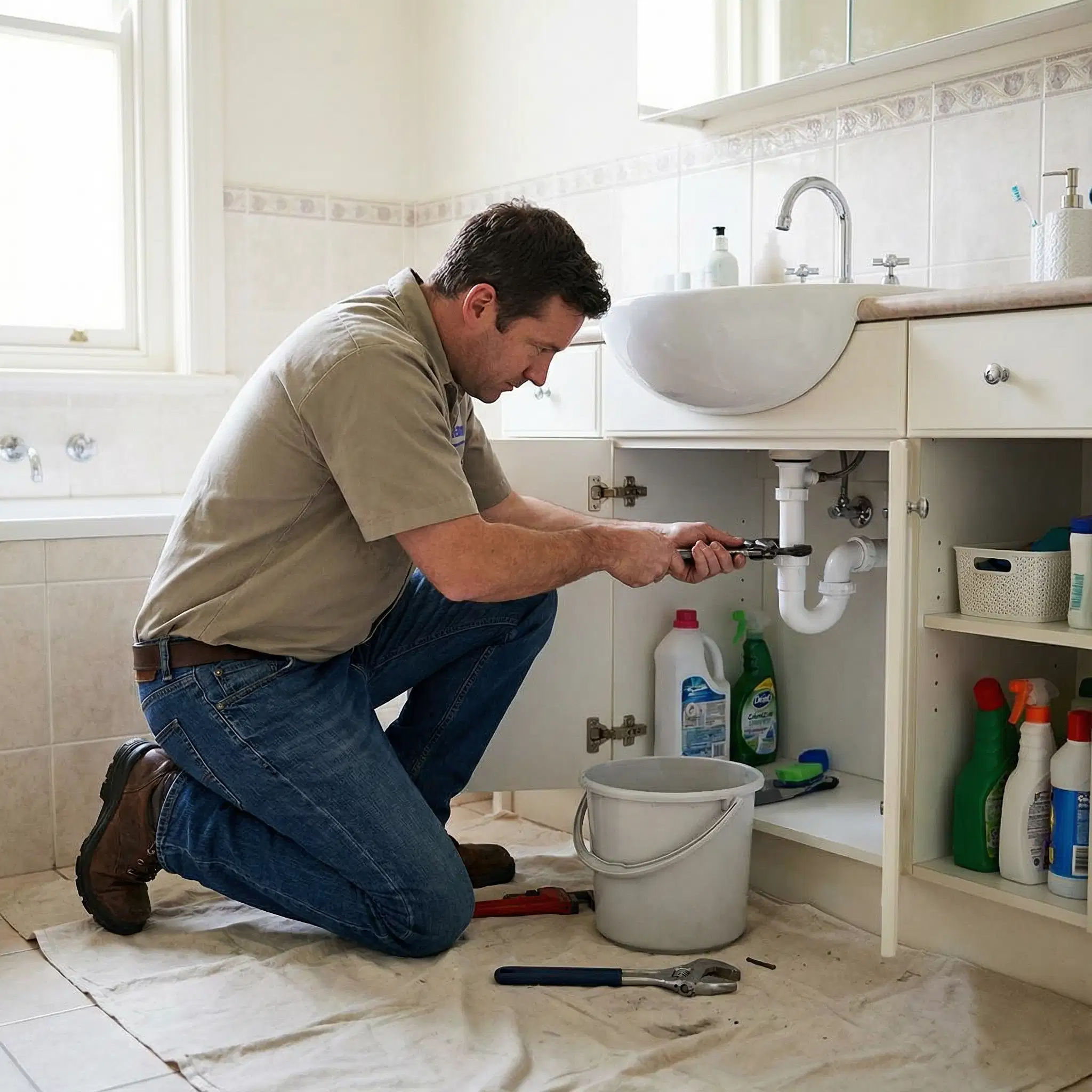
To check your own home, start by looking beneath your washroom vanity or kitchen sink. Check the connections where the pipes meet the shut-off valves. Another common place to spot these pipes is near your hot water tank or where the main water supply enters your unit. If you see the telltale orange and blue pipes, or if you notice a sticker on your electrical panel indicating that this system was used for grounding, it is time to consult a professional.
The Risks of Ignoring the Problem
The primary issue with this plumbing system is not a matter of if it will fail, but when. The dezincification process causes zinc to leach out of the brass fittings, leaving behind a porous, fragile copper structure. This buildup restricts water flow and creates immense pressure on the weakened joints.
When a failure occurs, it rarely starts as a slow, manageable drip. Instead, the weakened fitting typically bursts under pressure, releasing hundreds of gallons of water into your home in a matter of minutes. In a multi-story building in the Downtown Core, a burst pipe on an upper floor doesn't just ruin your hardwood floors and drywall; it cascades down, destroying the units below yours.
This is why condo boards are so strict about mandatory replacement. If a pipe bursts in your unit and you have ignored notices to replace the system, your insurance provider may deny your claim, leaving you personally liable for the damages to your unit and your neighbors' homes. Furthermore, a hidden leak that goes unnoticed can cause your hydro bills to spike unexpectedly as your water heater works overtime to compensate for the continuous flow of hot water.
If you do experience a sudden pipe burst, immediate action is required. Shut off your main water valve if you can access it safely, and contact our team for plumbing emergencies to mitigate the damage as quickly as possible.
The Replacement Process and What to Expect
Many homeowners dread the idea of repiping because they envision their entire home being torn apart. While replacing a plumbing system is a significant undertaking, a professional team can execute the process efficiently and with minimal disruption to your daily life.
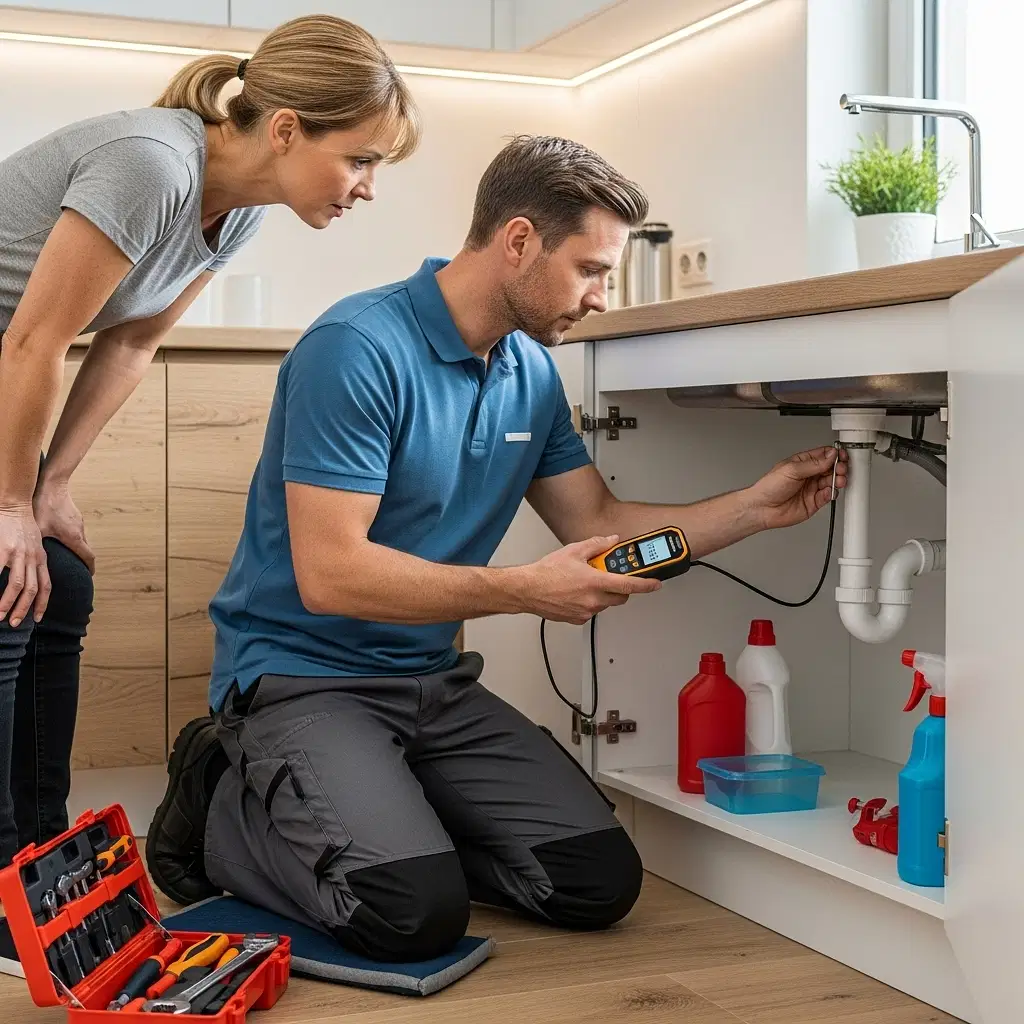
The first step is a comprehensive assessment. We map out the exact route of the pipes behind your walls. In some complex layouts, we utilize camera inspections to understand the building's internal infrastructure and ensure we are only opening walls where absolutely necessary.
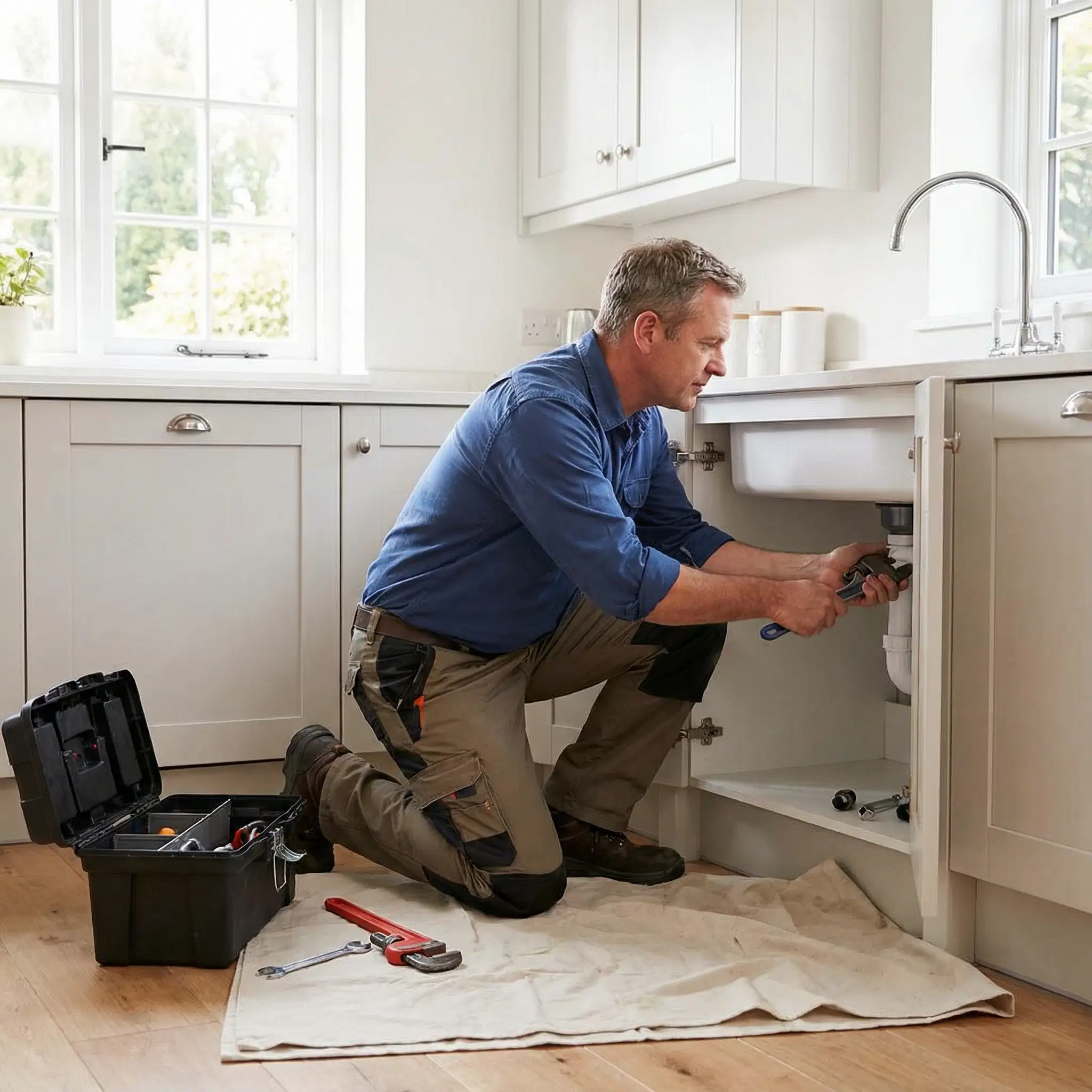
Once the route is mapped, our technicians carefully cut strategic access holes in the drywall to reach the old pipes. We then remove the faulty system and install high-quality, modern PEX piping, which is the current industry standard for durability and safety. After the new system is installed and rigorously pressure-tested to ensure there are no leaks, the drywall is patched, sanded, and prepped for painting.
We understand that cost is a major concern for homeowners facing this mandatory upgrade. The cost to replace these systems varies depending on the size of your unit and the number of plumbing fixtures, but we believe in transparent, upfront pricing. You will know exactly what the project will cost before we make a single cut in your drywall, with no hidden fees or surprise dispatch charges.
While this specific issue is common in high-rises, older townhome complexes sometimes face similar era-specific plumbing failures that extend beyond the interior walls. For properties dealing with failing exterior lines, we also provide comprehensive underground drain replacement and repairs to ensure the entire property remains safe and functional.
Why Trust a Licensed Professional
Replacing an entire plumbing system is not a job for a general handyman. Condo boards require this work to be completed by fully licensed, insured, and Red Seal Certified plumbers. This ensures that the new installation meets all current Ontario Building Code standards and that the building's overall water pressure and safety are maintained.
Beyond technical expertise, we know that inviting contractors into your home requires trust. We prioritize cleanliness, using drop cloths and protective gear to keep your living space pristine. We respect your time by adhering to strict scheduling, ensuring the water shut-offs are coordinated perfectly with your property management to minimize inconvenience to you and your neighbors.
Conclusion
Discovering that your home contains recalled plumbing can be stressful, but proactive replacement is the only way to protect your property from devastating water damage and liability. By addressing the issue before a fitting fails, you maintain your peace of mind, satisfy your condo board's requirements, and preserve the value of your home.
If you suspect your unit has this outdated piping, or if you have received a mandatory replacement notice, don't wait for a leak to force your hand. We proudly serve homeowners across The GTA with reliable, transparent, and professional plumbing solutions. Reach out to us today through our contact us page to schedule an inspection and get a clear, upfront quote for your repiping project.