Troubleshooting Basement Floor Drain Backups and Odors
Few things create immediate panic quite like discovering water pooling around your basement floor drain, or being hit with the unmistakable smell of sewer gas when you head downstairs to do laundry. For homeowners across the GTA, a reliable floor drain is the unsung hero of a dry, comfortable home. But when it fails, it can lead to property damage, health hazards, and a whole lot of stress.
Whether you are dealing with a foul odor that just won't go away or water actively pushing up into your living space, understanding what causes these issues is the first step to solving them. In this guide, we will walk you through troubleshooting dried out floor drains, identifying the causes of sudden backups, and knowing exactly when it is time to call in a professional to handle backed up and clogged drains.
Solving the Mystery of Sewer Gas Odors
If your basement smells like rotten eggs, your first instinct might be to assume a pipe has burst. However, troubleshooting sewer gas coming from a basement drain is often much simpler than you might think. The culprit is usually just a dried-out P-trap.
Every floor drain is equipped with a U-shaped pipe underneath, known as a P-trap. This trap is designed to hold a small amount of water at all times. That standing water acts as a physical barrier, preventing noxious sewer gases from rising out of the municipal sewer system and drifting into your home.
If you have a floor drain near your furnace or water heater, or if the drain simply doesn't see a lot of use, the water inside the trap can eventually evaporate. This is especially common during our dry winter months when home heating systems are running constantly, drawing moisture out of the indoor air.
To fix this issue, simply pour a bucket of clean water down the floor drain. This replenishes the water barrier and should stop the odor immediately. If you want to prevent rapid evaporation in the future, try pouring a couple of tablespoons of mineral oil down the drain right after the water. The oil floats on top of the water, creating a protective seal that slows down evaporation. If the smell persists after you have filled the trap, there may be a crack in your plumbing or a venting issue, which warrants a professional inspection.
Understanding Basement Floor Drain Backups
While odors are a nuisance, water backing up from your drain is a true plumbing emergency. The causes of basement floor drain backups can range from simple localized clogs to severe issues with your home's main underground sewer line.
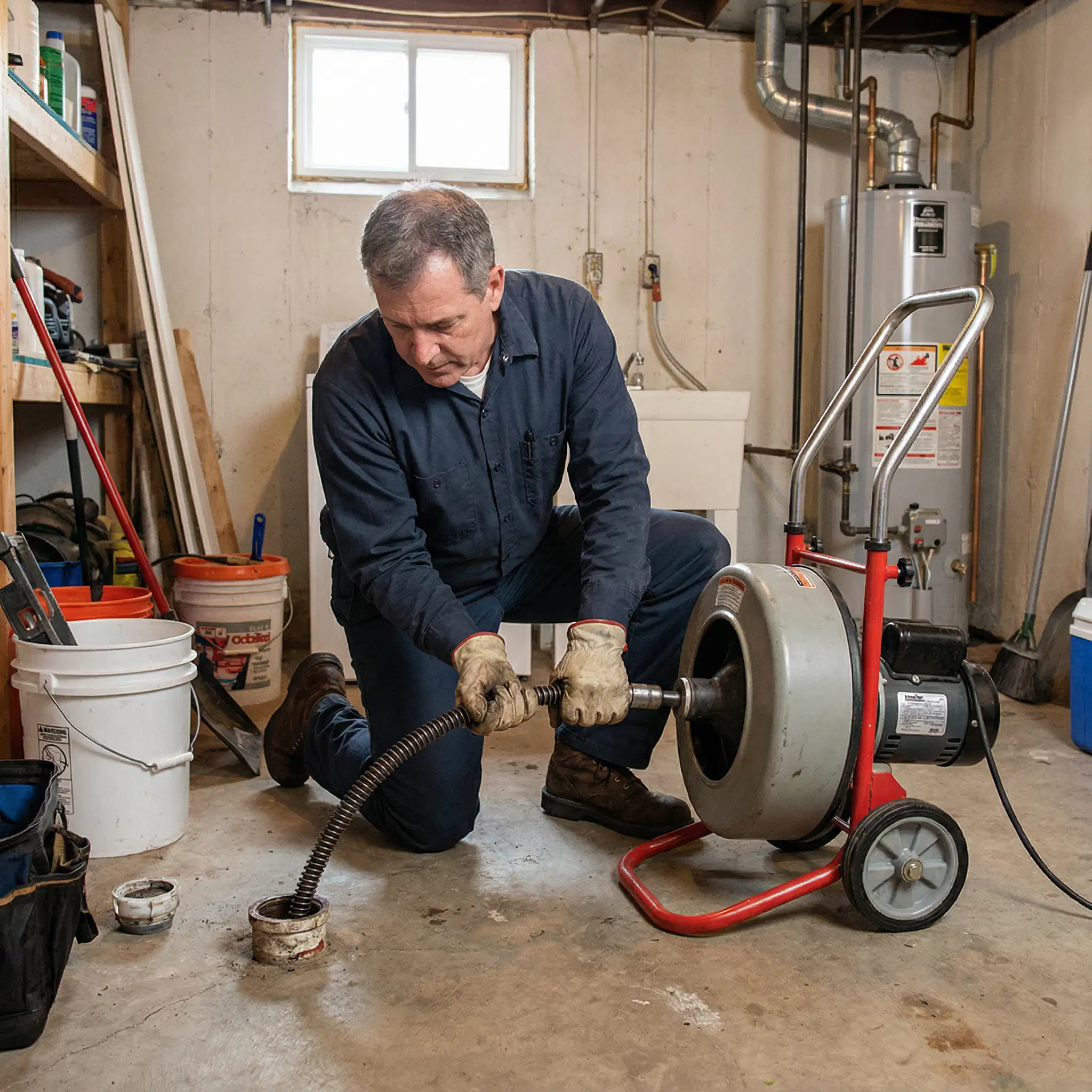
One common cause is a blockage within your own property's plumbing infrastructure. Over time, debris, soap scum, hair, and grease can accumulate in your main drain pipe. When wastewater from your sinks, showers, or washing machine cannot flow out to the city sewer, it takes the path of least resistance—which is often back up through your basement floor drain.
Another frequent culprit, particularly in older neighborhoods with large, mature trees, is root intrusion. Tree roots naturally seek out moisture and can infiltrate older clay or cast iron pipes through tiny cracks or loose joints. Once inside, they grow rapidly, creating a dense net that catches debris and eventually blocks the pipe entirely.
Finally, extreme seasonal weather can overwhelm municipal infrastructure. During heavy spring rainstorms or rapid snowmelts, the sudden influx of water can exceed the city's capacity. When this happens, a mixture of storm water and sewage can be forced backward into your home, leading to devastating wet basements.
Modern Solutions and Preventative Measures
Dealing with a flooded basement is something no homeowner wants to experience. Thankfully, modern plumbing technology offers highly effective ways to protect your property before a messy disaster strikes.
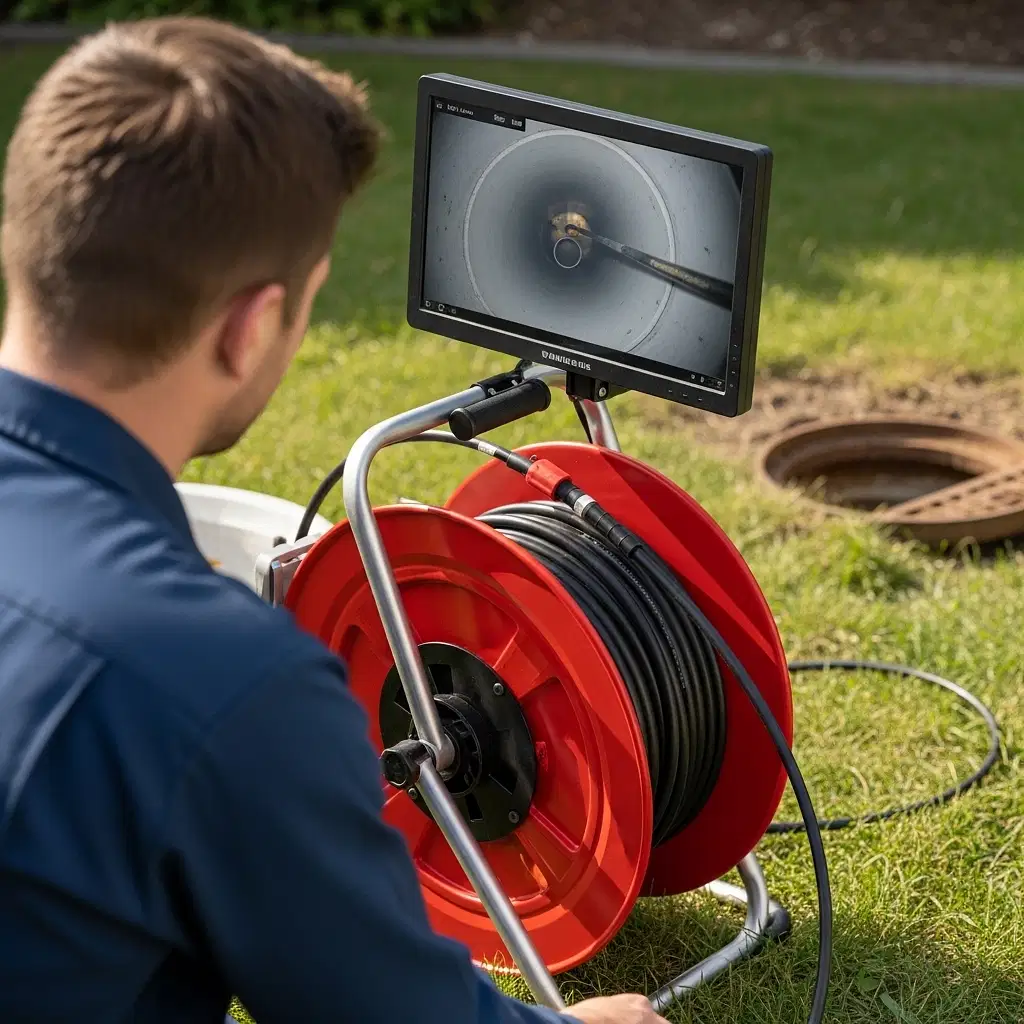
If you are concerned about the integrity of your underground pipes, a professional camera inspection is an invaluable diagnostic tool. Instead of guessing where a clog might be or needlessly digging up your landscaping, technicians can feed a high-resolution, waterproof camera directly into your drain system. This allows them to see the exact condition of your pipes, locate tree roots, and identify sagging lines or blockages with pinpoint accuracy.
To protect against municipal sewer backups, many homeowners are proactively installing backwater valves. A backwater valve is a specialized one-way mechanism installed on your main sewer line. Under normal conditions, it remains open to allow wastewater to flow safely out of your home. But if the city sewer overloads and water begins to flow backward, the valve automatically shuts, physically blocking the sewage from entering your basement.
Additionally, the latest industry trends lean heavily toward smart home leak detection systems. These IoT-enabled devices monitor your water usage and can alert your smartphone the moment they detect abnormal flow or moisture on the floor. Some systems can even automatically shut off your main water valve to prevent further damage, providing incredible peace of mind when you are away at the cottage or simply asleep upstairs. Beyond preventing damage, installing these smart systems can sometimes even help lower your home insurance premiums.
Knowing When to Bring in the Experts
A small amount of water or a dried-out P-trap is something most homeowners can safely handle on their own. But when you are facing persistent clogs, slow drains throughout the house, or active backups pushing water onto your floors, it is critical to bring in certified professionals. Ignoring early warning signs often leads to severe water damage, unexpected spikes in your hydro bill, and costly emergency repairs down the road.
At Toronto Drains & Waterproofing, our team of fully licensed technicians is ready to help you maintain a safe, dry, and healthy home. Whether you need an emergency response for backed up and clogged drains, are looking into a preventative backwater valve installation, or require comprehensive foundation waterproofing, we have the expertise to get the job done right the first time. We pride ourselves on transparent, upfront pricing and guaranteed workmanship, ensuring you never have to guess what you are paying for.
Don't let a floor drain backup ruin your basement. Reach out to our team today through our contact us page to schedule an inspection or request a free estimate.